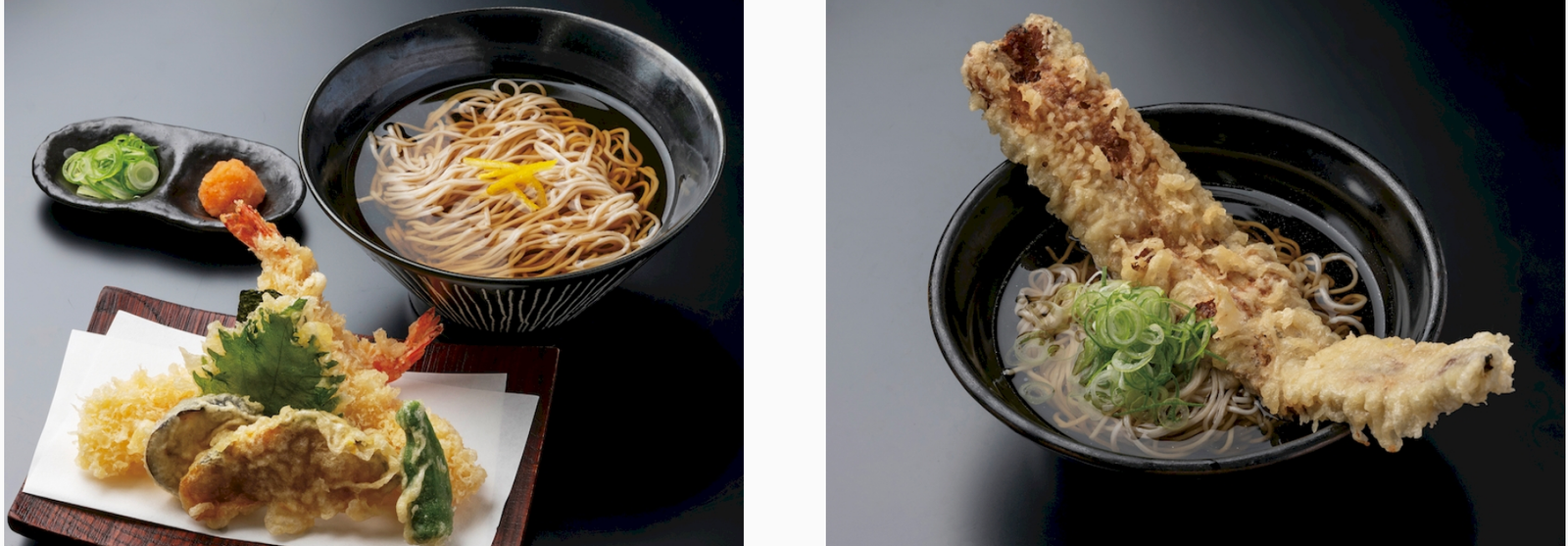
Japanese cuisine offers a spectacular variety of noodles, but soba and udon remain the undisputed kings of the noodle world. While Kyoto is globally famous for its refined kaiseki and temple cuisine, its traditional noodle shops are equally phenomenal. Here is your ultimate guide to the best soba and udon restaurants in Kyoto.
Soba vs. Udon
While overseas diners often view Japanese noodles as a monolith, there is a distinct difference between the two main types.
Soba are slender noodles made from buckwheat flour. They have a nutty, earthy flavor and a delicate texture that ranges from smooth and thin to rustic and slightly chewy. They are typically served chilled with a dipping sauce or hot in a light, fragrant broth.
Udon are thick, plush noodles made from wheat flour. They are prized for their smooth, slippery texture and satisfying chew. Udon is almost always served hot in a rich, comforting dashi broth, making it the ultimate soul food in Japan.
Kyoto may not have a single, defining regional style for these noodles like Kagawa (famous for Sanuki udon), but the city’s chefs elevate them with incredibly refined, delicate broths. Whether you want a quick, cheap bowl or a refined, sit-down experience, Kyoto has a noodle shop for you.
Top Soba Shops
Honke Owariya
Location: Downtown Kyoto | Price: Budget Founded in 1465, this is not just a restaurant; it is a living piece of Kyoto history. Located in a breathtaking, atmospheric wooden machiya townhouse, Honke Owariya is arguably the most historic and best soba restaurant in the city. Their hand-cut noodles are exceptional, and dining in their serene, traditional tatami rooms overlooking a small garden is an unforgettable experience.
Kanei
Location: Nishijin | Price: Budget to mid-range Tucked away in the historic Nishijin textile district, Kanei is a holy grail for serious noodle enthusiasts. Soba otaku (noodle nerds) make pilgrimages from all over Japan just to taste their sublime, artisanal buckwheat noodles. The broth is deeply flavorful, and the meticulous attention to detail in every bowl makes it worth the trip outside the main tourist center.
Top Udon Shops
Omen Ginkaku-ji Branch
Location: Northern Higashiyama | Price: Budget to mid-range Situated just down the hill from the famous Silver Pavilion (Ginkaku-ji), Omen is a beloved local institution. They are famous for their incredibly rich, savory udon broth and the generous use of fresh, seasonal vegetables. It is widely considered to serve the best udon in Kyoto, making it the perfect post-temple meal.
Okaru
Location: Southern Higashiyama (Gion) | Price: Budget This low-key, unassuming udon shop in the historic Gion district is a hidden favorite among local geiko and maiko (geisha). While their standard dashi udon is fantastic, their absolute claim to fame is the rich, mildly spiced, and deeply comforting curry udon. It is the perfect, cheap, and cheerful meal to fuel your wanderings through the historic streets.
Hinode Udon
Location: Northern Higashiyama | Price: Budget If you are exploring the lush surroundings of Nanzen-ji Temple or walking the Philosopher’s Path, Hinode Udon is the ultimate pit stop. As the name suggests, thick, chewy udon noodles are the specialty of the house. The portions are hearty, the prices are incredibly reasonable, and the welcoming atmosphere makes it a great place to rest your feet.
Mixed Noodle Spots
Yagura
Location: Southern Higashiyama | Price: Budget Located directly opposite the famous Minamiza Kabuki Theatre on Shijo Avenue, Yagura is the perfect pre-show dinner spot. While they excel at both dishes, their nisshin soba (soba topped with smoked herring) is a local delicacy you must try. It is a fantastic, no-fuss spot to grab a high-quality bowl of noodles in the heart of Gion.
Misoka-an Kawamichi-ya
Location: Downtown Kyoto | Price: Budget For a truly elegant noodle experience in the city center, this longstanding Kyoto classic is unmatched. Housed in a beautiful traditional building, they serve both exquisite soba and udon in a refined, peaceful setting. It is an excellent choice if you want to enjoy high-quality noodles without leaving the bustling downtown shopping districts.
FAQs
What is the difference between soba and udon?
Soba are thin, delicate noodles made primarily from buckwheat flour, offering a nutty flavor and a lighter texture. Udon are thick, chewy noodles made from wheat flour, known for their soft, plush texture and ability to absorb rich, hearty broths.
How do you eat cold soba in Japan?
Cold soba (known as zaru soba or mori soba) is served on a bamboo mat or in a bowl with a small pitcher of concentrated dipping sauce called tsuyu. You pour a small amount of the tsuyu into a separate dipping cup, add condiments like chopped green onions, grated daikon radish, or wasabi to taste, and then dip small bundles of noodles into the sauce before eating.
Is udon or soba healthier?
Both can be part of a healthy diet, but they have different nutritional profiles. Soba (especially 100% buckwheat) is higher in protein, fiber, and essential minerals, and has a lower glycemic index. Udon is made from refined wheat flour, making it higher in carbohydrates and lower in fiber, though it is still much healthier than many Western fast-food alternatives.
Can celiacs eat soba noodles in Kyoto?
You must be extremely careful. While pure buckwheat is naturally gluten-free, most traditional soba noodles in Japan are blended with wheat flour to give them elasticity and prevent them from breaking. Unless a restaurant explicitly states the noodles are ju-wari soba (100% buckwheat) and certified gluten-free, you should avoid them. Udon, being made entirely of wheat, must be strictly avoided.
What does “kake” and “zaru” mean on a noodle menu?
When ordering, you will see these terms frequently. Kake refers to noodles served hot in a bowl of broth. Zaru refers to noodles served cold, drained, and presented on a bamboo zaru mat, accompanied by a dipping sauce. Kamaage is another popular style where hot noodles are served in a communal pot of hot water with a dipping sauce.