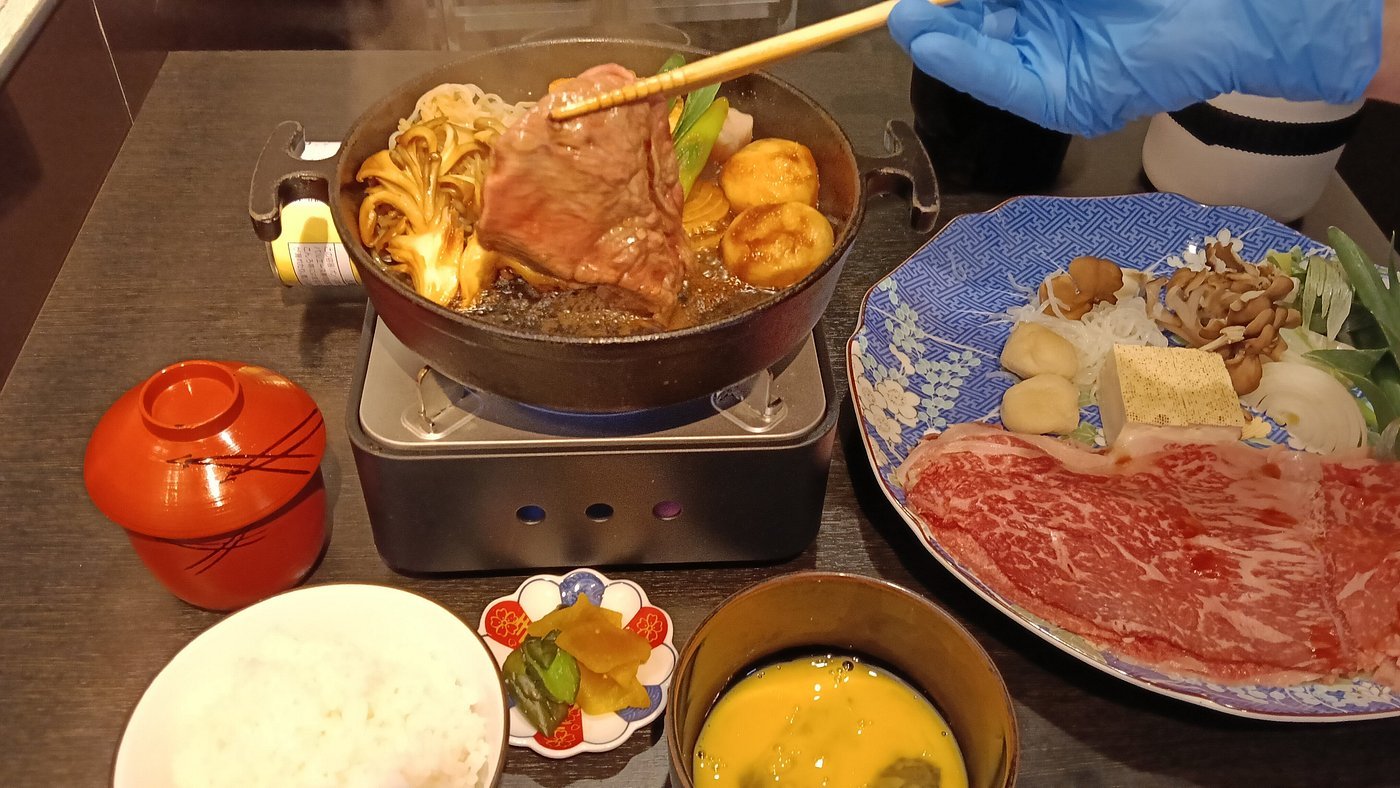
Kyoto offers an unparalleled culinary journey for travelers seeking the finest premium beef experiences in Japan, with sukiyaki representing the pinnacle of traditional hot pot dining. This historic city combines centuries-old hospitality traditions with access to exceptional regional wagyu varieties including Omi beef and Kyoto beef, creating memorable meals that showcase intense marbling and buttery textures. Whether visiting for a special occasion or desiring an authentic cultural immersion, diners can enjoy expertly prepared sukiyaki in elegant settings ranging from bustling shopping arcades to refined traditional restaurants near major transportation hubs. Understanding the nuances of wagyu grading, regional distinctions, and proper dining etiquette enhances the overall experience, ensuring visitors appreciate every aspect of this celebrated Japanese delicacy while exploring Kyoto’s rich gastronomic landscape.
Understanding Wagyu Beef
Wagyu beef represents far more than just Kobe beef, encompassing diverse regional varieties that each offer unique flavor profiles and textural characteristics specific to their geographic origins. Travelers dining in Kyoto benefit from proximity to multiple prestigious beef-producing regions, allowing restaurants to source premium cuts that highlight distinct marbling patterns and umami depth.
Regional Varieties Available
Omi beef originates from Shiga Prefecture adjacent to Kyoto and ranks among Japan’s oldest branded wagyu varieties, featuring delicate sweetness and melt-in-your-mouth tenderness that complements sukiyaki preparation methods perfectly. Kyoto beef comes from cattle raised within Kyoto Prefecture under strict quality standards, offering rich flavor complexity and consistent marbling that local chefs prize for traditional hot pot dishes. While Kobe beef from Hyogo Prefecture remains globally renowned, many Kyoto restaurants prioritize these regional alternatives that provide comparable excellence with shorter supply chains and fresher availability. Each variety undergoes rigorous grading based on marbling score, meat color, firmness, and fat quality, ensuring only premium cuts reach discerning diners seeking authentic wagyu experiences.
Marbling And Flavor Profile
The intense marbling characteristic of premium wagyu results from specialized feeding programs and careful breeding practices that distribute intramuscular fat evenly throughout the muscle tissue. This fat content creates the signature buttery texture and rich umami flavor that distinguishes wagyu from conventional beef, with higher marbling scores indicating superior quality and price points. When heated during sukiyaki cooking, the marbled fat renders slowly, basting the meat from within and producing incredibly tender bites that dissolve on the tongue. The sweet-and-savory warishita broth enhances these natural flavors without overwhelming them, while the raw egg dipping sauce adds creamy richness that balances the intensity of the beef. Understanding these qualities helps diners appreciate why wagyu commands premium pricing and why proper preparation techniques matter significantly for optimal enjoyment.
The Sukiyaki Tradition
Sukiyaki embodies the essence of communal Japanese dining, combining theatrical tableside cooking with carefully balanced flavors that highlight premium beef through simple yet sophisticated preparation methods. The Kansai region including Kyoto maintains distinct cooking traditions that differ from eastern Japanese styles, emphasizing initial searing techniques that caramelize the meat before adding liquid ingredients.
Kansai Style Preparation
In Kyoto and surrounding Kansai areas, sukiyaki preparation begins with heating an iron pot called a sukiyaki-nabe over a portable burner placed at the center of the dining table. The chef or server places thin slices of raw wagyu directly onto the hot surface, allowing them to sear briefly before sprinkling sugar over the meat to promote caramelization. Soy sauce-based warishita broth is then poured around the edges, creating a sweet-and-savory cooking liquid that simmers gently as additional ingredients join the pot. This method locks in juices and develops complex flavor layers through the Maillard reaction, producing deeply aromatic beef that contrasts beautifully with fresh vegetables and tofu added subsequently. The interactive nature of this process engages diners in the cooking experience while ensuring each bite achieves perfect doneness.
Dipping Sauce And Etiquette
Traditional sukiyaki service includes individual bowls of lightly beaten raw egg that serve multiple functional purposes beyond mere condiment status. The primary role involves cooling freshly cooked beef from boiling temperatures to safe eating levels while simultaneously coating each piece with silky smooth texture that enhances mouthfeel. Secondary benefits include mild flavor modulation that tempers the intensity of the soy-based broth and provides protein-rich complement to the fatty beef. Proper etiquette dictates transferring cooked items from the communal pot to personal egg bowls before consumption, never eating directly from the shared cooking vessel. Servers typically demonstrate this technique during initial courses, guiding first-time diners through the rhythm of cooking, dipping, and pacing that defines authentic sukiyaki enjoyment. Respectful participation in these customs demonstrates cultural appreciation and enhances the overall dining atmosphere.
Premium Sukiyaki Restaurants
Kyoto hosts numerous establishments specializing in sukiyaki preparation, each offering distinct atmospheres, price points, and wagyu sourcing strategies that cater to diverse traveler preferences and budgets. Selecting the right venue depends on location convenience, desired formality level, and specific beef variety preferences.
Mishima-tei Downtown Experience
Mishima-tei delivers authentic sukiyaki excellence within Kyoto’s vibrant Teramachi Shopping Arcade, providing convenient access for tourists exploring downtown attractions while maintaining decades-old traditions of premium beef preparation. The restaurant’s classic interior features traditional tatami seating areas and private rooms that create intimate dining environments suitable for romantic dinners or small group celebrations. Expert staff members manage the cooking process with practiced precision, ensuring each slice of wagyu achieves optimal caramelization and tenderness before serving to guests. The menu focuses on high-quality regional beef selections prepared according to Kansai-style methods, with attentive service that guides diners through proper eating techniques and pacing recommendations. Reservations are strongly recommended due to limited seating capacity and consistent popularity among both local residents and international visitors seeking reliable sukiyaki experiences in central Kyoto locations.
Moritaya Honten Near Station
Moritaya Honten establishes itself as a world-renowned destination for Omi beef sukiyaki, conveniently positioned near Kyoto Station for travelers prioritizing accessibility without sacrificing culinary excellence. The historic restaurant showcases luxurious traditional dining rooms where master chefs perform tableside cooking demonstrations that transform heavily marbled beef into unforgettable culinary moments. Guests witness the skilled searing of premium Omi beef slices, observing how sugar caramelization and warishita broth integration create complex flavor profiles that define exceptional sukiyaki. The establishment’s reputation attracts serious food enthusiasts willing to invest in mid-range to expensive dining experiences that deliver consistent quality and authentic atmospheric immersion. Multiple course options allow customization based on appetite and budget considerations, with knowledgeable staff providing guidance on beef grade selections and complementary sake pairings that enhance the overall meal structure.
Dining Etiquette Guide
First-time sukiyaki diners benefit from understanding basic protocols that ensure comfortable participation in this interactive dining tradition while demonstrating respect for Japanese culinary customs. Following established guidelines prevents common mistakes and maximizes enjoyment of the multi-course experience.
Initial Cooking Assistance
High-end Kyoto sukiyaki restaurants typically assign servers to cook the first batch of beef, preventing novice diners from accidentally overcooking expensive wagyu through inexperience with heat management and timing. This professional assistance establishes proper cooking duration benchmarks that guests can reference during subsequent self-service portions. Observing the server’s technique provides valuable education regarding appropriate searing times, sugar distribution amounts, and broth pouring methods that maintain optimal flavor balance throughout the meal. Accepting this initial help graciously demonstrates cultural awareness and allows diners to focus on appreciating the beef’s quality rather than worrying about technical execution errors.
Pacing And Final Courses
Sukiyaki constitutes a rich, heavy meal requiring mindful pacing to avoid premature fullness that prevents enjoyment of all offered components. Eating slowly between cooking cycles facilitates conversation and digestion while allowing flavors to develop fully on the palate. Saving space for the traditional final course involving udon noodles proves essential, as these thick wheat noodles absorb remaining flavorful broth and beef juices, creating a satisfying conclusion that balances the meal’s richness. Requesting udon addition toward the meal’s end ensures sufficient broth remains for proper noodle cooking, with servers typically managing this final preparation to achieve ideal texture and flavor integration. Pairing the meal with cold beer or warm sake complements the savory-sweet profile while cleansing the palate between bites of fatty beef.
Pricing Information
| Restaurant | Price Range | Location |
|---|---|---|
| Mishima-tei | Mid-range to expensive | Downtown Kyoto Teramachi Arcade |
| Moritaya Honten | Mid-range to expensive | Near Kyoto Station |
Note: Prices vary based on beef grade selection, portion sizes, and seasonal availability. Direct inquiry recommended for current rates.
Frequently Asked Questions
Where can I find the best sukiyaki in Kyoto?
Find the best sukiyaki in Kyoto at Mishima-tei in Teramachi Arcade or Moritaya Honten near Kyoto Station for premium wagyu experiences.
What is the difference between wagyu and Kobe beef in Kyoto?
Wagyu is the umbrella term for Japanese beef in Kyoto, while Kobe beef specifically comes from Tajima strain cattle in Hyogo Prefecture nearby.
How much does sukiyaki cost in Kyoto restaurants?
Sukiyaki in Kyoto restaurants costs mid-range to expensive prices depending on beef grade, with premium Omi and Kyoto beef commanding higher rates.
Is Mishima-tei Kyoto good for sukiyaki?
Yes, Mishima-tei Kyoto is excellent for sukiyaki, offering authentic Kansai-style preparation in downtown Teramachi Shopping Arcade with expert service.
Where is Moritaya Honten Kyoto located?
Moritaya Honten Kyoto is located near Kyoto Station, providing convenient access for travelers seeking famous Omi beef sukiyaki dining experiences.
Do I need reservations for sukiyaki in Kyoto?
Yes, reservations are recommended for sukiyaki in Kyoto, especially at popular restaurants like Mishima-tei and Moritaya Honten during peak dining hours.
What is Omi beef sukiyaki in Kyoto?
Omi beef sukiyaki in Kyoto features premium beef from Shiga Prefecture known for delicate sweetness and exceptional marbling perfect for hot pot dining.
How do you eat sukiyaki properly in Kyoto?
Eat sukiyaki properly in Kyoto by dipping cooked beef in raw beaten egg to cool it and add creamy texture before consumption.
Can vegetarians eat sukiyaki in Kyoto?
Traditional sukiyaki in Kyoto centers on beef, but some restaurants offer vegetable-only hot pot alternatives upon advance request for vegetarian diners.
What is warishita broth in Kyoto sukiyaki?
Warishita broth in Kyoto sukiyaki is a sweet-and-savory mixture of soy sauce, mirin, and sugar used to simmer beef and vegetables in the hot pot.
Is Kobe beef available in Kyoto sukiyaki restaurants?
Yes, Kobe beef is available in some Kyoto sukiyaki restaurants, though many prioritize regional Omi beef and Kyoto beef varieties instead.
What should I wear to sukiyaki restaurants in Kyoto?
Wear smart casual attire to sukiyaki restaurants in Kyoto, as establishments like Mishima-tei and Moritaya Honten maintain refined dining atmospheres.
Does Mishima-tei Kyoto have English menus?
Mishima-tei Kyoto typically provides English menus and staff assistance for international guests seeking authentic sukiyaki dining experiences downtown.
How long does a sukiyaki meal take in Kyoto?
A sukiyaki meal in Kyoto takes approximately 90 minutes to two hours, allowing time for interactive cooking and leisurely dining pacing.
What drinks pair well with sukiyaki in Kyoto?
Cold beer and warm sake pair well with sukiyaki in Kyoto, complementing the rich beef flavors and cleansing the palate between bites.
Is sukiyaki healthy to eat in Kyoto?
Sukiyaki in Kyoto offers lean protein from beef and vegetables, though the rich marbling and egg dipping sauce increase calorie content significantly.
Can children eat sukiyaki in Kyoto restaurants?
Yes, children can eat sukiyaki in Kyoto restaurants, with staff adjusting spice levels and portion sizes to accommodate younger diners appropriately.
What is the best time to eat sukiyaki in Kyoto?
The best time to eat sukiyaki in Kyoto is during dinner hours when restaurants offer full course experiences with optimal atmosphere and service.
Does Moritaya Honten Kyoto accept credit cards?
Moritaya Honten Kyoto generally accepts major credit cards, though confirming payment methods during reservation booking ensures smooth transaction processing.
What is Kyoto beef sukiyaki?
Kyoto beef sukiyaki features cattle raised within Kyoto Prefecture under strict standards, offering rich flavor and consistent marbling for hot pot dishes.
How do I book Mishima-tei Kyoto?
Book Mishima-tei Kyoto by calling directly or using hotel concierge services, as online reservation systems may have limited availability for international guests.
Is sukiyaki spicy in Kyoto restaurants?
No, sukiyaki is not spicy in Kyoto restaurants, featuring sweet-and-savory warishita broth without chili or hot pepper ingredients.
What desserts follow sukiyaki in Kyoto?
Traditional sukiyaki meals in Kyoto often conclude with seasonal fruits or light matcha-based sweets that balance the rich preceding courses.
Can I cook my own sukiyaki in Kyoto?
Some Kyoto restaurants allow self-cooking sukiyaki after initial demonstration, though premium establishments prefer staff-managed preparation for quality control.
What is the history of sukiyaki in Kyoto?
Sukiyaki originated in Kyoto and Kansai region during the Meiji era when beef consumption became culturally acceptable, evolving into today’s refined dining tradition.
Are there halal sukiyaki options in Kyoto?
Halal sukiyaki options in Kyoto are extremely limited due to traditional preparation methods involving alcohol-based warishita and non-halal certified beef sources.
What makes Kyoto sukiyaki different from Tokyo style?
Kyoto sukiyaki differs from Tokyo style by searing beef first with sugar before adding broth, while Tokyo style simmers all ingredients together initially.
Do Kyoto sukiyaki restaurants offer lunch sets?
Some Kyoto sukiyaki restaurants offer abbreviated lunch sets at reduced prices, though dinner service provides the complete traditional multi-course experience.
Is tipping expected at sukiyaki restaurants in Kyoto?
No, tipping is not expected at sukiyaki restaurants in Kyoto, as exceptional service is included in the pricing structure following Japanese hospitality norms.
What souvenirs relate to sukiyaki in Kyoto?
Buy sukiyaki-related souvenirs in Kyoto such as cast iron hot pots, warishita sauce bottles, and wagyu beef gift boxes from specialty food shops downtown.